
Abstract
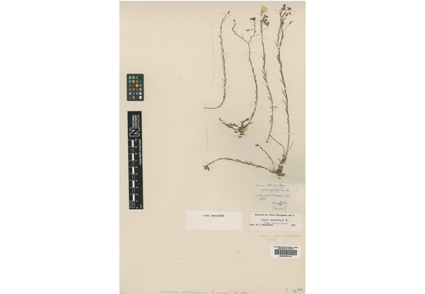
The typification of the name Linum austricum subsp. collinum is revisited. The name was “lectotypified” from a specimen kept at BM. This type designation is briefly discussed and superseded because was being contrary to Art. 9.3 of the International Code of Nomenclature for algae, fungi, and plants (Shenzhen Code). In this work, all relevant specimens are carefully evaluated for the purpose to fix the application of the name. We have chosen and designated the best admissible lectotype for this name from the original material. In addition, the lectotype of the name Linum immaculatae, currenty treated as a synonym of Linum austricum subsp. collinum, is designated from a specimen preserved at MA.
References
Baytop, T. (1999) Therapy with medicinal plants in Turkey (past and present). 2nd edn. Nobel Týp Kitabevi, Istanbul, 163 pp.
Boissier, E. (1869) Flora Orientalis: sive, Enumeratio plantarum in Oriente a Graecia et Aegypto ad Indiae fines hucusque observatarum, vol. 1. H.Georg, Genève, Basel & Lyon, 1017 pp. https://www.biodiversitylibrary.org/item/60254#page/7/mode/1up
Bolòs, O. & Vigo, J. (1974) Notes sobre taxonomía i nomenclatura de plantes, I. Butlletí de la Institutió Catalana d’Historia Natural 38 (Secc. Bot., 1): 61–89.
Diederichsen, A. & Richards, K. (2003) Cultivated flax and the genus Linum L. Taxonomy and germoplasm conservation. In: A. Muir & N. Westcott (Eds.) Flax: the genus Linum. Taylor & Francis Ltd. London, pp. 22–54.
Ferrer-Gallego, P.P. (2014) Tipificación de dos nombres linneanos del género Linum L.: L. maritimum y L. narbonense (Linaceae). Boletín de la Real Sociedad Española de Historia Natural. Sección Biológica 108: 103–106.
Greuter, W., Burdet, H.M. & Long, G. (Eds.) (1989) Med-Checklist. A critical inventory of vascular plants of the Circum-Mediterranean countries. Vol. 4. Dicotyledones (Lauraceae-Rhamnaceae). Conservatoire et Jardin Botanique Ville de Genéve, Med-Checklist Trust of OPTIMA, Geneva & Berlin, 458 pp.
Gussone, G. (1844) Linum austriacum. In: Florae siculae synopsis, vol. 2. Ex Typis Tramater, Napoli, pp. 808.
Haussknecht, H.C. (1893) Symbolae ad floram graecam. Aufzählung der im Sommer 1885 in Griechenland gesammelten Pflanzen. Mittheilungen des Thüringischen Botanischen Vereins, ser. 2, 5: 41–126.
Heywood, V.H. (1993) Flowering Plants of the World. Oxford University Press, Oxford, 335 pp.
Hickey, M. (1988) 100 families of Flowering Plants. Cambridge University Press, Cambridge, 624 pp.
Linnaeus, C. (1753) Species Plantarum 1. Laurentius Salvius, Stockholm, 1200 pp.
Mabberley, D.J. (2008) Mabberley’s Plant-book. A portable dictionary of plants, their classification and uses. 3rd edn. Cambridge University Press, Cambridge, 1019 pp.
Martínez Labarga, J.M. & Ferrer-Gallego, P.P. (2020) Taxonomic and nomenclatural notes on African Linum squarrosum sensu lato (Linaceae). Phytotaxa 439: 127–135. https://doi.org/10.11646/phytotaxa.439.2.3
Martínez Labarga, J.M. & Muñoz Garmendia, F. (2015) Linum L. In: Muñoz Garmendia, F., Navarro, C., Quintanar, A. & Buira, A. (Eds.) Flora Iberica, vol 9. Real Jardín Botánico, CSIC, Madrid, pp. 174–266.
McDill, J.R., Repplinger, M., Simpson, B.B & Kadereit, J.W. (2009) The phylogeny of Linum and Linaceae subfamily Linoideae, with implications for their systematics, biogeography, and evolution of heterostyly. Systematic Botany 34: 386–405. https://doi.org/10.1600/036364409788606244
McDill, J.R. & Simpson, B.B. (2011) Molecular phylogenetics of Linaceae with complete generic sampling and data from two plastid genes. Botanical Journal of the Linnean Society 165: 64–83. https://doi.org/10.1111/j.1095-8339.2010.01096.x
Nyman, C.F. (1878–1882) Conspectus Florae Europaeae. Typis Officinae Bohlinianae, Örebro (Sueciae), 858 pp.
Ockendon, D.J (1968) Biosystematic studies in the Linum perenne group. New Phytologist 67: 787–813.
Ockendon, D.J (1971) Taxonomy of Linum perenne group in Europe. Watsonia 8: 205–235.
Ockendon, D.J. & Walters, S.M. (1968) Linaceae. In: Tutin, T.G., Heywood, V.H., Burges, N.A., Valentine, D.H., Walters, S.M. & Webb, D.A. (Eds.) Flora Europaea, vol. 2. Cambridge University Press, Cambridge, pp. 589–603.
Pengilly, N.L. (2003) Traditional food and medicinal uses of flaxseed. In: Muir, A.D. & Westcott, N.D. (Eds.) Flax: the genus Linum. Taylor and Francis, London, pp. 252–267.
Perleb, K.J. (1818) Versuch über die Arzneikräfte der Pflanzen, verglichen mit den äußeren Formen und der natürlichen Classeneintheilung derselben [a German translation of Augustin Pyramus de Candolle’s Essai sur les Propriétés médicales des Plantes comparées avec leur classification naturelle]. Aarau, Sauerländer, 397 pp.
Rogers, C.M. (1982) The systematics of Linum sect. Linopsis (Linaceae). Plant Systematics & Evolution 140: 225–234. https://doi.org/10.1007/BF02407299
Sennen, F. (1926) Plantes d’Espagne 1926. Linum immaculatae Sennen. Nº 5679.
Sennen, F. (1927) Nombreuses localités de plantes nouvelles pour la Cerdagne, observées durant les vacances des années 1915 à 1926 (1). Bulletin de la Société botanique de France 74: 355–410. https://doi.org/10.1080/00378941.1927.10831477
Thiers, B. (2022) Index Herbariorum: A global directory of public herbaria and associated Staff. New York Botanical Garden’s Virtual Herbarium. Available from: http://sweetgum.nybg.org/ih/ (accessed 11 February 2022).
Tison, J.-M., Jauzein, P., Girod, C. & Espeut, M. (2010) Combinaisons et statuts nouveaux proposes dans la Flore de la France Mediterraneenne continentale.Biocosme mésogéen 27 (4): 109?133.
Turland, N.J., Wiersema, J.H., Barrie, F.R., Greuter, W., Hawksworth, D.L., Herendeen, P.S., Knapp, S., Kusber, W.-H., Li, D.-Z., Marhold, K., May, T.W., McNeill, J., Monro, A.M., Prado, J., Price, M.J. & Smith, G.F. (Eds.) (2018) International Code of Nomenclature for algae, fungi, and plants (Shenzhen Code) adopted by the Nineteenth International Botanical Congress Shenzhen, China, July 2017. Regnum Vegetabile 159. Glashütten: Koeltz Botanical Books. https://doi.org/10.12705/Code.2018
Vromans, J. (2006) Molecular genetic studies in flax (Linum usitatissimum L.). Ph.D. thesis, Wageningen University, Wageningen.
Winkler, H. (1931) Linaceae. In: Engler, H.G.A. & Prantl, K.A.E. (Eds.) Die Natürlichen Pflanzenfamilien 19a. Engelmann, Leipzig, pp. 82–130.
Boissier, E. (1869) Flora Orientalis: sive, Enumeratio plantarum in Oriente a Graecia et Aegypto ad Indiae fines hucusque observatarum, vol. 1. H.Georg, Genève, Basel & Lyon, 1017 pp. https://www.biodiversitylibrary.org/item/60254#page/7/mode/1up
Bolòs, O. & Vigo, J. (1974) Notes sobre taxonomía i nomenclatura de plantes, I. Butlletí de la Institutió Catalana d’Historia Natural 38 (Secc. Bot., 1): 61–89.
Diederichsen, A. & Richards, K. (2003) Cultivated flax and the genus Linum L. Taxonomy and germoplasm conservation. In: A. Muir & N. Westcott (Eds.) Flax: the genus Linum. Taylor & Francis Ltd. London, pp. 22–54.
Ferrer-Gallego, P.P. (2014) Tipificación de dos nombres linneanos del género Linum L.: L. maritimum y L. narbonense (Linaceae). Boletín de la Real Sociedad Española de Historia Natural. Sección Biológica 108: 103–106.
Greuter, W., Burdet, H.M. & Long, G. (Eds.) (1989) Med-Checklist. A critical inventory of vascular plants of the Circum-Mediterranean countries. Vol. 4. Dicotyledones (Lauraceae-Rhamnaceae). Conservatoire et Jardin Botanique Ville de Genéve, Med-Checklist Trust of OPTIMA, Geneva & Berlin, 458 pp.
Gussone, G. (1844) Linum austriacum. In: Florae siculae synopsis, vol. 2. Ex Typis Tramater, Napoli, pp. 808.
Haussknecht, H.C. (1893) Symbolae ad floram graecam. Aufzählung der im Sommer 1885 in Griechenland gesammelten Pflanzen. Mittheilungen des Thüringischen Botanischen Vereins, ser. 2, 5: 41–126.
Heywood, V.H. (1993) Flowering Plants of the World. Oxford University Press, Oxford, 335 pp.
Hickey, M. (1988) 100 families of Flowering Plants. Cambridge University Press, Cambridge, 624 pp.
Linnaeus, C. (1753) Species Plantarum 1. Laurentius Salvius, Stockholm, 1200 pp.
Mabberley, D.J. (2008) Mabberley’s Plant-book. A portable dictionary of plants, their classification and uses. 3rd edn. Cambridge University Press, Cambridge, 1019 pp.
Martínez Labarga, J.M. & Ferrer-Gallego, P.P. (2020) Taxonomic and nomenclatural notes on African Linum squarrosum sensu lato (Linaceae). Phytotaxa 439: 127–135. https://doi.org/10.11646/phytotaxa.439.2.3
Martínez Labarga, J.M. & Muñoz Garmendia, F. (2015) Linum L. In: Muñoz Garmendia, F., Navarro, C., Quintanar, A. & Buira, A. (Eds.) Flora Iberica, vol 9. Real Jardín Botánico, CSIC, Madrid, pp. 174–266.
McDill, J.R., Repplinger, M., Simpson, B.B & Kadereit, J.W. (2009) The phylogeny of Linum and Linaceae subfamily Linoideae, with implications for their systematics, biogeography, and evolution of heterostyly. Systematic Botany 34: 386–405. https://doi.org/10.1600/036364409788606244
McDill, J.R. & Simpson, B.B. (2011) Molecular phylogenetics of Linaceae with complete generic sampling and data from two plastid genes. Botanical Journal of the Linnean Society 165: 64–83. https://doi.org/10.1111/j.1095-8339.2010.01096.x
Nyman, C.F. (1878–1882) Conspectus Florae Europaeae. Typis Officinae Bohlinianae, Örebro (Sueciae), 858 pp.
Ockendon, D.J (1968) Biosystematic studies in the Linum perenne group. New Phytologist 67: 787–813.
Ockendon, D.J (1971) Taxonomy of Linum perenne group in Europe. Watsonia 8: 205–235.
Ockendon, D.J. & Walters, S.M. (1968) Linaceae. In: Tutin, T.G., Heywood, V.H., Burges, N.A., Valentine, D.H., Walters, S.M. & Webb, D.A. (Eds.) Flora Europaea, vol. 2. Cambridge University Press, Cambridge, pp. 589–603.
Pengilly, N.L. (2003) Traditional food and medicinal uses of flaxseed. In: Muir, A.D. & Westcott, N.D. (Eds.) Flax: the genus Linum. Taylor and Francis, London, pp. 252–267.
Perleb, K.J. (1818) Versuch über die Arzneikräfte der Pflanzen, verglichen mit den äußeren Formen und der natürlichen Classeneintheilung derselben [a German translation of Augustin Pyramus de Candolle’s Essai sur les Propriétés médicales des Plantes comparées avec leur classification naturelle]. Aarau, Sauerländer, 397 pp.
Rogers, C.M. (1982) The systematics of Linum sect. Linopsis (Linaceae). Plant Systematics & Evolution 140: 225–234. https://doi.org/10.1007/BF02407299
Sennen, F. (1926) Plantes d’Espagne 1926. Linum immaculatae Sennen. Nº 5679.
Sennen, F. (1927) Nombreuses localités de plantes nouvelles pour la Cerdagne, observées durant les vacances des années 1915 à 1926 (1). Bulletin de la Société botanique de France 74: 355–410. https://doi.org/10.1080/00378941.1927.10831477
Thiers, B. (2022) Index Herbariorum: A global directory of public herbaria and associated Staff. New York Botanical Garden’s Virtual Herbarium. Available from: http://sweetgum.nybg.org/ih/ (accessed 11 February 2022).
Tison, J.-M., Jauzein, P., Girod, C. & Espeut, M. (2010) Combinaisons et statuts nouveaux proposes dans la Flore de la France Mediterraneenne continentale.Biocosme mésogéen 27 (4): 109?133.
Turland, N.J., Wiersema, J.H., Barrie, F.R., Greuter, W., Hawksworth, D.L., Herendeen, P.S., Knapp, S., Kusber, W.-H., Li, D.-Z., Marhold, K., May, T.W., McNeill, J., Monro, A.M., Prado, J., Price, M.J. & Smith, G.F. (Eds.) (2018) International Code of Nomenclature for algae, fungi, and plants (Shenzhen Code) adopted by the Nineteenth International Botanical Congress Shenzhen, China, July 2017. Regnum Vegetabile 159. Glashütten: Koeltz Botanical Books. https://doi.org/10.12705/Code.2018
Vromans, J. (2006) Molecular genetic studies in flax (Linum usitatissimum L.). Ph.D. thesis, Wageningen University, Wageningen.
Winkler, H. (1931) Linaceae. In: Engler, H.G.A. & Prantl, K.A.E. (Eds.) Die Natürlichen Pflanzenfamilien 19a. Engelmann, Leipzig, pp. 82–130.