

Abstract
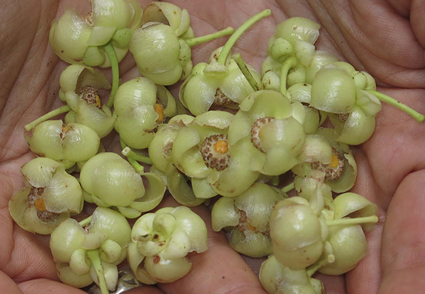
Garcinia yaatapsap (Clusiaceae), a new species from northern Myanmar, is described and illustrated. The new species is most similar to G. stipulata and G. nujiangensis, but differs primarily by its subsessile, subcordate to cordate leaves and strongly angled branchlets (versus petiolate, cuneate leaves and terete branches in G. stipulata and G. nujiangensis).
References
Armstrong, K.E., Tizard, R. & Grantham, H. (2020) Kachin-Sagaing low elevation evergreen subtropical rainforest. In: Murray, N.J., Keith, D.A., Tizard, R., Duncan, A., Htut, W.T., Hlaing, N., Oo, A.H., Ya, K.Z. & Grantham, H. (Eds.) Threatened Ecosystems of Myanmar: An IUCN Red List of Ecosystems Assessment. Version 1.0. Wildlife Conservation Society, pp. 77–82. http://dx.doi.org/10.19121/2019.Report.37457
Bachman, S., Moat, J., Hill, A.W., de la Torre, J. & Scott, B. (2011) Supporting Red List threat assessments with GeoCAT: Geospatial conservation assessment tool. In: Smith, V. & Penev, L. (Eds.) E-infrastructures for data published in biodiversity science. ZooKeys 150: 117–126. https://dx.doi.org/10.3897/zookeys.150.2109
Bentham, G. & Hooker, J.D. (1862) Genera Plantarum ad exemplaria imprimis in herbariis Kewensibus servata definita, Volume 1, Issue 1. A. Black, London, 465 pp.
Baruah, S., Barman, P., Basumatary, S. & Bhuyan, B. (2021) Diversity and Ethnobotany of Genus Garcinia L. (Clusiaceae) in Assam, Eastern Himalaya. Ethnobotany Research and Applications 21: 1–14. http://dx.doi.org/10.32859/era.21.33.1-14
Chun, W.Y. & How, F.C. (1956) Species novae arborum utilium Chinae meridionalis. Acta Phytotaxonomica Sinica 5: 1–25.
Gardner, S., Sidisunthorn, P. & Anusarnsunthorn, V. (2000) A Field Guide to Forest Trees of Northern Thailand. Kobfai Publishing Project, Bangkok, 560 pp.
Gardner, S., Sidisunthorn, P. & Chayamarit, K. (2015) Forest Trees of Southern Thailand. Volume 1. Kobfai Publishing Group, Bangkok, 748 pp.
Hasskarl, J.C. (1842) Plantarum genera et species novae aut reformatae javenses. Flora oder botanische Zeitung 25 (2): 1–56.
Hooker, J.D. (1874) Flora of British India, Volume 1. L. Reeve, London, 748 pp.
IUCN Standards and Petitions Committee (2019) Guidelines for using the IUCN Red List Categories and Criteria. Version 14. Prepared by the Standards and Petitions Committee. Available from: https://nc.iucnredlist.org/redlist/content/attachment_files/RedListGuidelines.pdf (accessed 12 January 2022)
Jones, S. (1980) Morphology and major taxonomy of Garcinia (Guttiferae). PhD Dissertation, University of Leicester, London, 474 pp.
Kress, W.J., DeFilipps, R.A., Farr, E. & Kyi, D.Y.Y. (2003) A checklist of the trees, shrubs, herbs, and climbers of Myanmar. Contributions from the United States National Herbarium 45: 1–590.
Kundu, S.R. (2006) A synopsis of Clusiaceae in Indian Subcontinent: its distribution and endemism. Acta Botanica Hungarica 48: 331–344. https://doi.org/10.1556/abot.48.2006.3-4.8
Kurz, S, (1877) Forest Flora of British Burma, Volume 1 (Ranunculaceae to Cornaceae). Office of the superintendent of government printing, Calcutta, 549 pp.
Li, Y.H. (1981) Some new species of the genus Garcinia from South China. Acta Phytotaxonomica Sinica 19: 490–492.
Li, X., Li, J. & Stevens, P. (2007) Garcinia. In: Wu, Z., Raven, P.H. & Hong, D.Y. (Eds.) Flora of China. Volume 13 (Clusiaceae through Araliaceae). Missouri Botanical Garden Press, St. Louis, pp. 40–47.
Linnaeus, C. (1753) Species Plantarum. Laurentius Salvius, Stockholm, 1200 pp.
Maheshwari, J.K. (1964) Taxonomic Studies on Indian Guttiferae III. The Genus Garcinia LINN. s.l. Bulletin of Botanical Survey of India 6: 107–135.
Murray, N.J., Keith, D.A., Duncan, A., Tizard, R., Ferrer-Paris, J.R., Worthington, T.A., Armstrong, K., Nyan, H., Win, T.H., Aung, H.O., Kyaw, Z.Y. & Grantham, H. (2020) Myanmar’s terrestrial ecosystems: Status, threats and conservation opportunities. Biological Conservation 252: 108834. https://doi.org/10.1016/j.biocon.2020.108834
Newman, M., Ketphanh, S., Svengsuksa, B., Thomas, P., Sengdala, K., Lamxay, V. & Armstrong, K. (2007) A Checklist of the Vascular Plants of Lao PDR. Royal Botanical Garden Edinburgh, Edinburgh, 394 pp.
Pierre, J.B.L. (1882) Flore forestière de la Cochinchine, Volume 1, Fascicle 4. Octave Doin, Paris, 29 pp, 16 plates.
Pierre, J.B.L. (1883) Flore forestière de la Cochinchine, Volume 1, Fascicle 6. Octave Doin, Paris, 44 pp, 20 plates.
Pitard, C.J. (1910) Guttifères. In: Lecomte, M.H. (Ed.) Flore générale de l’Indo-Chine. Volume 1, Fascicle 4. Masson, Paris, pp. 292–330.
Singh, N.P. (1993) Clusiaceae. In: Sharma, B.D. & Sanjappa, M. (Eds.) Flora of India. Volume 3, Portulacaceae–Ixonanthaceae. Botanical Survey of India, Calcutta, pp. 86–151.
Stevens, P.F. (2007) Clusiaceae-Guttiferae. In: Kubitzki, K. (Ed.) The families and genera of vascular plants, Volume 9. Springer Verlag, Berlin, pp. 48–66.
Sweeney, P.W. (2008) Phylogeny and floral diversity in the genus Garcinia (Clusiaceae) and relatives. International Journal of Plant Sciences 169: 1288–1303. https://doi.org/10.1086/591990
Thiers, B. (2022 [updated continuously]) Index Herbariorum: A global directory of public herbaria and associated staff. Available from: http://sweetgum.nybg.org/ih/ (accessed 20 April 2022)
Bachman, S., Moat, J., Hill, A.W., de la Torre, J. & Scott, B. (2011) Supporting Red List threat assessments with GeoCAT: Geospatial conservation assessment tool. In: Smith, V. & Penev, L. (Eds.) E-infrastructures for data published in biodiversity science. ZooKeys 150: 117–126. https://dx.doi.org/10.3897/zookeys.150.2109
Bentham, G. & Hooker, J.D. (1862) Genera Plantarum ad exemplaria imprimis in herbariis Kewensibus servata definita, Volume 1, Issue 1. A. Black, London, 465 pp.
Baruah, S., Barman, P., Basumatary, S. & Bhuyan, B. (2021) Diversity and Ethnobotany of Genus Garcinia L. (Clusiaceae) in Assam, Eastern Himalaya. Ethnobotany Research and Applications 21: 1–14. http://dx.doi.org/10.32859/era.21.33.1-14
Chun, W.Y. & How, F.C. (1956) Species novae arborum utilium Chinae meridionalis. Acta Phytotaxonomica Sinica 5: 1–25.
Gardner, S., Sidisunthorn, P. & Anusarnsunthorn, V. (2000) A Field Guide to Forest Trees of Northern Thailand. Kobfai Publishing Project, Bangkok, 560 pp.
Gardner, S., Sidisunthorn, P. & Chayamarit, K. (2015) Forest Trees of Southern Thailand. Volume 1. Kobfai Publishing Group, Bangkok, 748 pp.
Hasskarl, J.C. (1842) Plantarum genera et species novae aut reformatae javenses. Flora oder botanische Zeitung 25 (2): 1–56.
Hooker, J.D. (1874) Flora of British India, Volume 1. L. Reeve, London, 748 pp.
IUCN Standards and Petitions Committee (2019) Guidelines for using the IUCN Red List Categories and Criteria. Version 14. Prepared by the Standards and Petitions Committee. Available from: https://nc.iucnredlist.org/redlist/content/attachment_files/RedListGuidelines.pdf (accessed 12 January 2022)
Jones, S. (1980) Morphology and major taxonomy of Garcinia (Guttiferae). PhD Dissertation, University of Leicester, London, 474 pp.
Kress, W.J., DeFilipps, R.A., Farr, E. & Kyi, D.Y.Y. (2003) A checklist of the trees, shrubs, herbs, and climbers of Myanmar. Contributions from the United States National Herbarium 45: 1–590.
Kundu, S.R. (2006) A synopsis of Clusiaceae in Indian Subcontinent: its distribution and endemism. Acta Botanica Hungarica 48: 331–344. https://doi.org/10.1556/abot.48.2006.3-4.8
Kurz, S, (1877) Forest Flora of British Burma, Volume 1 (Ranunculaceae to Cornaceae). Office of the superintendent of government printing, Calcutta, 549 pp.
Li, Y.H. (1981) Some new species of the genus Garcinia from South China. Acta Phytotaxonomica Sinica 19: 490–492.
Li, X., Li, J. & Stevens, P. (2007) Garcinia. In: Wu, Z., Raven, P.H. & Hong, D.Y. (Eds.) Flora of China. Volume 13 (Clusiaceae through Araliaceae). Missouri Botanical Garden Press, St. Louis, pp. 40–47.
Linnaeus, C. (1753) Species Plantarum. Laurentius Salvius, Stockholm, 1200 pp.
Maheshwari, J.K. (1964) Taxonomic Studies on Indian Guttiferae III. The Genus Garcinia LINN. s.l. Bulletin of Botanical Survey of India 6: 107–135.
Murray, N.J., Keith, D.A., Duncan, A., Tizard, R., Ferrer-Paris, J.R., Worthington, T.A., Armstrong, K., Nyan, H., Win, T.H., Aung, H.O., Kyaw, Z.Y. & Grantham, H. (2020) Myanmar’s terrestrial ecosystems: Status, threats and conservation opportunities. Biological Conservation 252: 108834. https://doi.org/10.1016/j.biocon.2020.108834
Newman, M., Ketphanh, S., Svengsuksa, B., Thomas, P., Sengdala, K., Lamxay, V. & Armstrong, K. (2007) A Checklist of the Vascular Plants of Lao PDR. Royal Botanical Garden Edinburgh, Edinburgh, 394 pp.
Pierre, J.B.L. (1882) Flore forestière de la Cochinchine, Volume 1, Fascicle 4. Octave Doin, Paris, 29 pp, 16 plates.
Pierre, J.B.L. (1883) Flore forestière de la Cochinchine, Volume 1, Fascicle 6. Octave Doin, Paris, 44 pp, 20 plates.
Pitard, C.J. (1910) Guttifères. In: Lecomte, M.H. (Ed.) Flore générale de l’Indo-Chine. Volume 1, Fascicle 4. Masson, Paris, pp. 292–330.
Singh, N.P. (1993) Clusiaceae. In: Sharma, B.D. & Sanjappa, M. (Eds.) Flora of India. Volume 3, Portulacaceae–Ixonanthaceae. Botanical Survey of India, Calcutta, pp. 86–151.
Stevens, P.F. (2007) Clusiaceae-Guttiferae. In: Kubitzki, K. (Ed.) The families and genera of vascular plants, Volume 9. Springer Verlag, Berlin, pp. 48–66.
Sweeney, P.W. (2008) Phylogeny and floral diversity in the genus Garcinia (Clusiaceae) and relatives. International Journal of Plant Sciences 169: 1288–1303. https://doi.org/10.1086/591990
Thiers, B. (2022 [updated continuously]) Index Herbariorum: A global directory of public herbaria and associated staff. Available from: http://sweetgum.nybg.org/ih/ (accessed 20 April 2022)