

Abstract
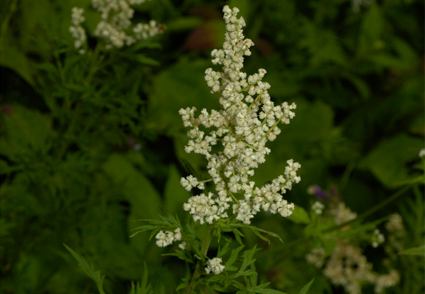
Based on observations on herbarium specimens (including type material) and living plants in the wild, we demonstrate that Artemisia flaccida (Asteraceae, Anthemideae) is conspecific with A. fulgens and that A. flaccida var. meiguensis deserves a varietal status under A. fulgens. We therefore place A. flaccida in synonymy with A. fulgens and transfer A. flaccida var. meiguensis to A. fulgens as A. fulgens var. meiguensis. Lectotypification is proposed for A. fulgens and A. flaccida. The geographical distribution of the two varieties of A. fulgens, var. fulgens and var. meiguensis, is also clarified.
References
Besser, W.S. (1829) Lettre de Mr. le Dr. Besser au directeur monsieur le directeur. Bulletin de la Société Impériale des Naturalistes de Moscou 1: 219–265.
Besser, W.S. (1832) Tentamen de Abrotanis seu de sectione II-da Artemisiarum Linnaei. Nouveaux Mémoires de la Société Impériale des Naturalistes de Moscou 3: 3–89.
Candolle, A.P. de (1838) Prodromus Systematis Naturalis Regni Vegetabilis, vol. 6. Treuttel & Würtz, Paris, 687 pp.
Handel-Mazzetti, H. (1938) Plantae sinenses a Dre. H. Smith annis 1921–22 et 1924 lectae. XXXII. Compositae 2. (ausgenommen Vernonia, Adenostemma, Tussilago, Cirsium, Gerbera, Myripnois, Taraxacum und Hieracium). Acta Horti Gothoburgensis 12: 203–360.
Hu, S.Y. (1965) The Compositae of China. Quarterly Journal of the Taiwan Museum 18: 1–136.
Linnaeus, C. (1753) Species Plantarum. L. Salvius, Holmia, 1200 pp.
Ling, Y.R. (1980) Taxa nova generum Artemisiae et Seriphidii xizangensis. Acta Phytotaxonomica Sinica 18: 504–513.
Ling, Y.R. (1984) Materiae novae generis Artemisiae chinensis (I). Bulletin of Botanical Research (Harbin) 4 (2): 14–34.
Ling, Y.R. (1985) Artemisia L. In: Wu, Z.Y. (Ed.) Flora Xizangica, vol. 4. Science Press, Beijing, pp. 742–793.
Ling, Y.R. (1988a) The Chinese Artemisia Linn. –– the classification, distribution and application of Artemisia Linn. in China. Bulletin of Botanical Research (Harbin) 8 (4): 1–61.
Ling, Y.R. (1988b) Materiae novae generis Artemisiae chinensis (III). Bulletin of Botanical Research (Harbin) 8 (3): 1–10.
Ling, Y.R. (1991) Artemisia L. In: Ling, Y. & Ling, Y.R. (Eds.) Flora Reipublicae Popularis Sinicae, vol. 76 (2). Science Press, Beijing, pp. 1–253.
Ling, Y.R. (1994) Artemisia Linn. In: Wang, W.T. (Ed.) Vascular Plants of the Hengduan Mountains, vol. 2. Science Press, Beijing, pp. 2043–2057.
Ling, Y.R. (2004) Artemisia L. In: Wu, Z.Y. (Ed.) Flora Yunnanica, vol. 13. Science Press, Beijing, pp. 318–359.
Ling, Y.R., Humphries, C.J. & Gilbert, M.G. (2011) Artemisia Linnaeus. In: Wu, Z.Y., Raven, P.H. & Hong, D.Y. (Eds.) Flora of China, vol. 20–21. Science Press, Beijing & Missouri Botanical Garden Press, St. Louis, pp. 676–737.
McNeill, J. (2014) Holotype specimens and type citations: general issues. Taxon 63: 1112–1113. https://doi.org/10.12705/635.7
Pampanini, R. (1927) Materiali per lo studio delle Artemisie asiatiche. Nuovo Giornale Botanico Italiano (Nouva serie) 34: 632–708.
Pampanini, R. (1930a) Quinto contributo alla conoscenza dell’ “Artemisia verlotorum„ Lamotte. Nuovo Giornale Botanico Italiano (Nuova serie) 36: 395–547. https://doi.org/10.1080/11263503009439746
Pampanini, R. (1930b) Materiali per lo studio delle Artemisie asiatiche (II). Nuovo Giornale Botanico Italiano (Nouva serie) 36: 375–388.
Pampanini, R. (1939) Materiali per lo studio delle Artemisie asiatiche (IV). Nuovo Gionale Botanico Italiano (Nouva serie) 46: 551–599. https://doi.org/10.1080/11263503909440577
Turland, N.J., Wiersema, J.H., Barrie, F.R., Greuter, W., Hawksworth, D.L., Herendeen, P.S., Knapp, S., Kusber, W.-H., Li, D.-Z., Marhold, K., May, T.W., McNeill, J., Monro, A.M., Prado, J., Price, M.J. & Smith, G.F. (2018) International Code of Nomenclature for algae, fungi, and plants (Shenzhen Code). Regnum Vegetabile 159. Koeltz Botanical Books, Glashütten, 254 pp. https://doi.org/10.12705/Code.2018
Besser, W.S. (1832) Tentamen de Abrotanis seu de sectione II-da Artemisiarum Linnaei. Nouveaux Mémoires de la Société Impériale des Naturalistes de Moscou 3: 3–89.
Candolle, A.P. de (1838) Prodromus Systematis Naturalis Regni Vegetabilis, vol. 6. Treuttel & Würtz, Paris, 687 pp.
Handel-Mazzetti, H. (1938) Plantae sinenses a Dre. H. Smith annis 1921–22 et 1924 lectae. XXXII. Compositae 2. (ausgenommen Vernonia, Adenostemma, Tussilago, Cirsium, Gerbera, Myripnois, Taraxacum und Hieracium). Acta Horti Gothoburgensis 12: 203–360.
Hu, S.Y. (1965) The Compositae of China. Quarterly Journal of the Taiwan Museum 18: 1–136.
Linnaeus, C. (1753) Species Plantarum. L. Salvius, Holmia, 1200 pp.
Ling, Y.R. (1980) Taxa nova generum Artemisiae et Seriphidii xizangensis. Acta Phytotaxonomica Sinica 18: 504–513.
Ling, Y.R. (1984) Materiae novae generis Artemisiae chinensis (I). Bulletin of Botanical Research (Harbin) 4 (2): 14–34.
Ling, Y.R. (1985) Artemisia L. In: Wu, Z.Y. (Ed.) Flora Xizangica, vol. 4. Science Press, Beijing, pp. 742–793.
Ling, Y.R. (1988a) The Chinese Artemisia Linn. –– the classification, distribution and application of Artemisia Linn. in China. Bulletin of Botanical Research (Harbin) 8 (4): 1–61.
Ling, Y.R. (1988b) Materiae novae generis Artemisiae chinensis (III). Bulletin of Botanical Research (Harbin) 8 (3): 1–10.
Ling, Y.R. (1991) Artemisia L. In: Ling, Y. & Ling, Y.R. (Eds.) Flora Reipublicae Popularis Sinicae, vol. 76 (2). Science Press, Beijing, pp. 1–253.
Ling, Y.R. (1994) Artemisia Linn. In: Wang, W.T. (Ed.) Vascular Plants of the Hengduan Mountains, vol. 2. Science Press, Beijing, pp. 2043–2057.
Ling, Y.R. (2004) Artemisia L. In: Wu, Z.Y. (Ed.) Flora Yunnanica, vol. 13. Science Press, Beijing, pp. 318–359.
Ling, Y.R., Humphries, C.J. & Gilbert, M.G. (2011) Artemisia Linnaeus. In: Wu, Z.Y., Raven, P.H. & Hong, D.Y. (Eds.) Flora of China, vol. 20–21. Science Press, Beijing & Missouri Botanical Garden Press, St. Louis, pp. 676–737.
McNeill, J. (2014) Holotype specimens and type citations: general issues. Taxon 63: 1112–1113. https://doi.org/10.12705/635.7
Pampanini, R. (1927) Materiali per lo studio delle Artemisie asiatiche. Nuovo Giornale Botanico Italiano (Nouva serie) 34: 632–708.
Pampanini, R. (1930a) Quinto contributo alla conoscenza dell’ “Artemisia verlotorum„ Lamotte. Nuovo Giornale Botanico Italiano (Nuova serie) 36: 395–547. https://doi.org/10.1080/11263503009439746
Pampanini, R. (1930b) Materiali per lo studio delle Artemisie asiatiche (II). Nuovo Giornale Botanico Italiano (Nouva serie) 36: 375–388.
Pampanini, R. (1939) Materiali per lo studio delle Artemisie asiatiche (IV). Nuovo Gionale Botanico Italiano (Nouva serie) 46: 551–599. https://doi.org/10.1080/11263503909440577
Turland, N.J., Wiersema, J.H., Barrie, F.R., Greuter, W., Hawksworth, D.L., Herendeen, P.S., Knapp, S., Kusber, W.-H., Li, D.-Z., Marhold, K., May, T.W., McNeill, J., Monro, A.M., Prado, J., Price, M.J. & Smith, G.F. (2018) International Code of Nomenclature for algae, fungi, and plants (Shenzhen Code). Regnum Vegetabile 159. Koeltz Botanical Books, Glashütten, 254 pp. https://doi.org/10.12705/Code.2018